- Thread starter
- #41

continued from above
At this point, my 2023 season of racing with the Mustang was FUBAR. And sadly, we had just finish prepping the 2006 C6 Corvette for sale, along with fresh paint, so I wasn't going to race that again (it moved to the same Max1 class as the Mustang, after we added heads/cam/intake to that in early 2023).
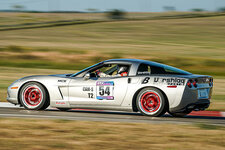

This was the worst feeling in racing - after a long thrash to get this much anticipated Mustang ready for a race season, it was all over in seconds. I was resigned to co-driving with Amy in her 2023 BRZ, which was fun, but... just not the same as a car with power.
UPGRADING THE FUEL TANK LIFT PUMP ASSEMBLY
At this point my head was still spinning, and I didn't have a solid plan for what to do next. I was lost. The 6.3L engine was supposed to be our "training wheels" engine for the 2023 season, an easy 480 whp lump that we could run while the suspension was sorted, ABS perfected, while we added aero, and we made the Mustang just a fun all around track car. That wasn't possible now - so I tried to concentrate on other unfinished business on this car while coming up with contingency plans for the engine.
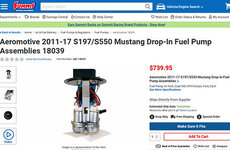
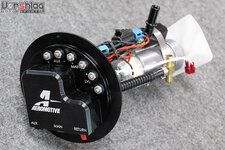
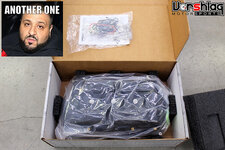
Before the 2nd dyno day we had the leaks from the top of the plastic drop-in fuel pump assembly. Instead of buying another plastic unit and drilling the overflow / return line for the -8 AN bulkhead in another new plastic fuel pump lid, I decided to upgrade to the proper parts - this $740 Aeromotive billet aluminum drop-in fuel pump assembly was ordered. This is a very well made part that is made explicitly for the S197/S550 Mustang fuel tank, and I highly encourage anyone attempting the fuel system upgrades we did to go with this route. Save yourself the hassles and potential leaks / fire problems with drilling the stock plastic piece!
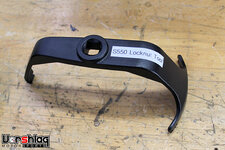
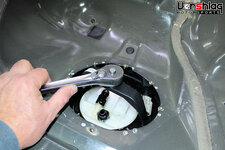
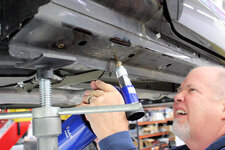
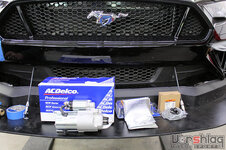
At the same time I opted to buy the proper tool to remove the locking ring that holds these fuel pump assemblies into S197/S550 tanks, instead of using a pair of screw drivers and a lot of cursing. We have needed this for years, and it was worth every penny.
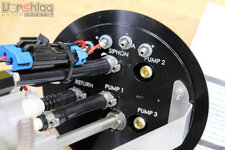
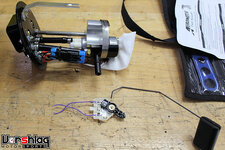
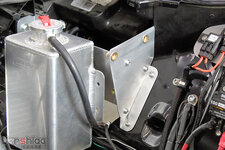
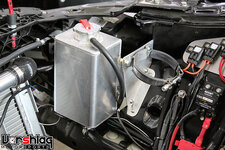
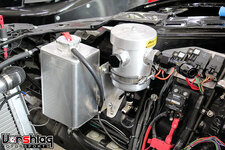
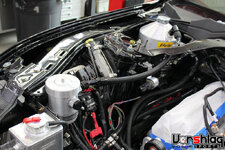
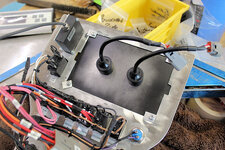
Instead of having a hole drilled in plastic, this billet aluminum piece has two -8 AN ports in the top, as well as these wiring pass-thrus built into the unit. There's also a bracket built in to take the stock S550 fuel level float, which Brad transferred over from the stock assembly. This Aeromotive unit is made to take as many as 3 pumps - it can be your main pump assembly for up to 1000 hp - but we're only using one pump as a lift pump to feed the Radium remote surge tank, which will have two pumps inside. That single can then work then at lower pressures / higher flow, which is more than enough pump for a lift pump.
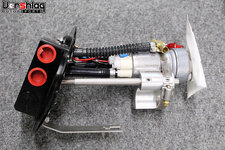
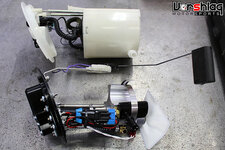
We ordered this with one 340 LPH Walbro pump for the lift, then dropped it into the tank and began wiring and plumbing to the top. We could not use the plastic bowl that the OEM pump assembly uses, of course, nor the jet pump line from the other side. The overflow from the surge tank feeds down onto this side of the saddle, so the crossover tube to the other saddle hasn't been a big concern on track (again, after 6 events now).
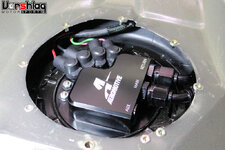
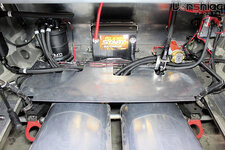
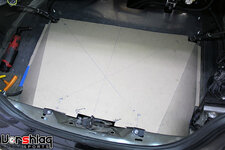
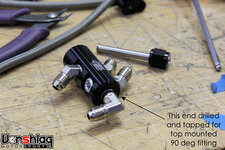
This was plumbed and wired up cleanly with the supplied connections at the top. And Brad really wanted to replace the "randomly placed" M6 rivnuts, but we left them for now - the top aluminum cover panel we have more than covers the hole in the floor. The Fragola -8 AN hose ends lined up perfectly with the AN-to-ORB fittings we added at the Aeromotive junction, shown above. The cleanest, safest install I could think of for the stock fuel tank. We might not have an engine for the car at this point, but we no longer need to worry about a fuel leak when the stock gas tank is filled!
BORROWING AMY'S HPR454 ENGINE??
In January of 2021 the folks at HPR started building this 454" stroker engine for Amy's 2013 FRS - which we were doing an LS swap with. This '12 FRS used to be her primary track car, and was now being built for the Optima series with a Darton sleeved gen IV block, big Brodix heads, an 8 CW crank with 4.125" stroke, and an unusual "pin guided" rod and piston setup.
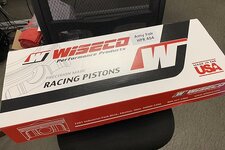
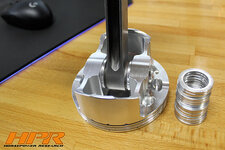
We had a small part in this craziness as we machined both the width of the big end of the lightened rods to make them even lighter, as well as make room for these aluminum spacers that were needed to fit into the custom designed Wiseco pistons - which were cut with a "square" opening for this pin guided setup. So instead of the rod being located at the crank on the big end, the piston would be located the rod fore-aft at the small end, on the piston pin.
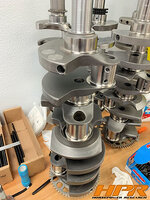
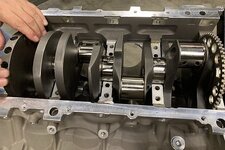
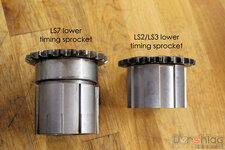
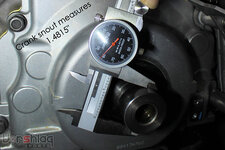
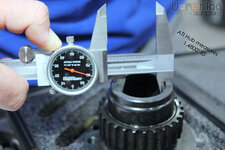
This was done to remove bob weight from the rotating assembly, and this 3D milled piston and lightened rod combo have a lower bob weight than a titanium rodded LS engine. We had originally planned on a 4.250" stroke 468" engine, but being one of the partners at HPR, I agreed to test out a new 8CW 4.125" forged crank from a new supplier. We made that into a long snout version to utilized an LS7 style dry sump pump - as this car intended to have an air conditioner where an external belt driven dry sump would be (see Optima series use).
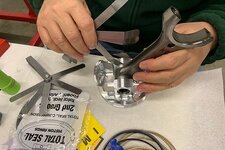
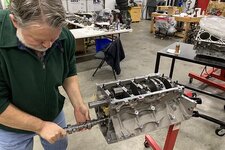
Amy and I helped Erik assemble the short block throughout early 2021, at night and on weekends, and we got this 454" bottom end put together and ready for more parts in Feb 2021. Amy paid for all of this craziness, and it was to be her engine for the next several seasons.
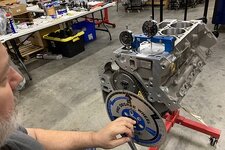
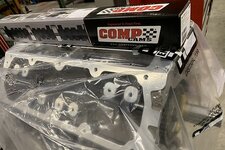
Erik had installed and degreed the initial .660" lift hydraulic roller cam, and the shortblock was bagged up - awaiting a new cylinder head to test. Then the supply chain totally broke down, we couldn't get valves and some other parts for a long, long time.
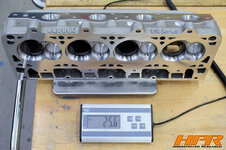
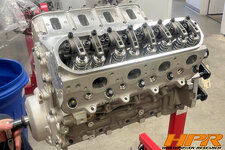
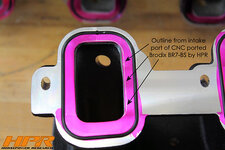
In Feb of 2022 this first set of HPR / Brodix BR7 series set of heads arrived, which Erik had worked with a leading CNC head porter to come up with various port styles with various volumes and valve sizes. Parts took months to arrive but in early 2023 hpr started getting a steady flow of these custom Brodix heads in, Titanium valves started flowing again (Ukraine supplies a lot of Titanium for valves), their in-house valve guide machine was online, and in early March of this year we had the final heads for Amy's engine.
After the February dyno disaster, Amy saw how distraught I was over losing the 6.3L engine. I explained the still lingering engine parts shortage of the Pandemic would extend that rebuild for many more months, and I was going to be dropping out of TT events this season.
Then this saint of a woman offered up her 454 engine for use in #Trigger... I didn't dare ask her for that earlier. My head exploded, and this "doomed 2023 season" was no longer over! Amy freagin rocks.
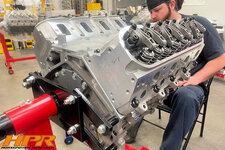
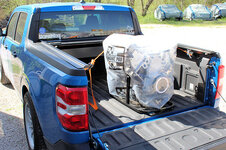
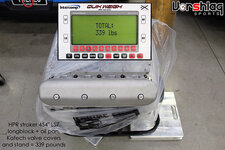
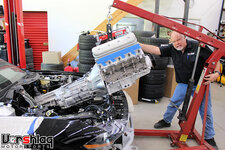
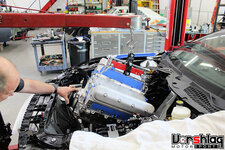
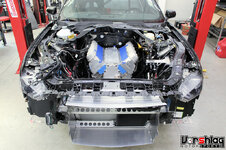
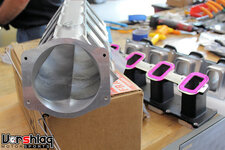
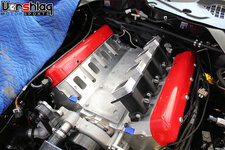
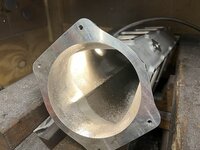
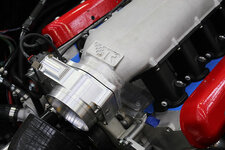
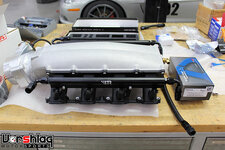
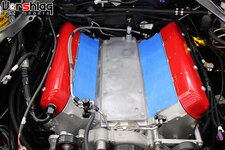
A few planning sessions at lunch with Erik and we changed what intake the 454 would use, and Erik spec'd out a shorter duration camshaft but with .750" lift, using these Crower 1.9 ratio shaft rockers. On March 31st of 2023 I picked up the complete 454 engine - and it was going into my Mustang!
ADDING A DRY SUMP OIL PAN
Normally at this point you might think we would be out shopping for a 5+ stage external dry sump oiling system, but this engine was stuck with some decisions made 2 years earlier for another series in another car. And this was not my engine, it was borrowed from my wife from her real race car, so we decided to stick with the same plan: use the GM LS7 based 2-stage pump, which is driven off the front of the crank.
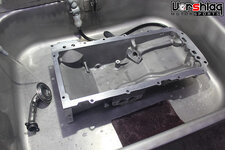
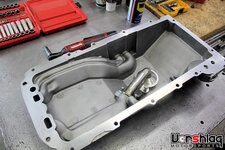
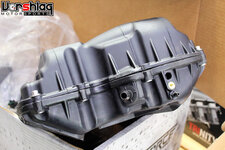
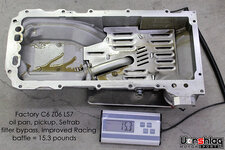
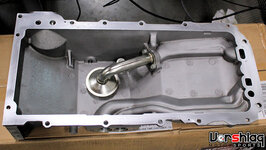
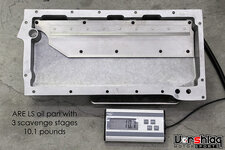
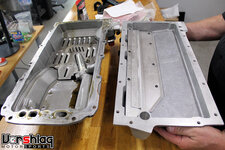
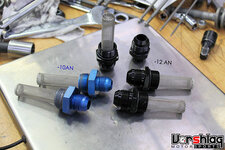
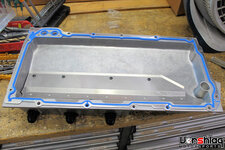
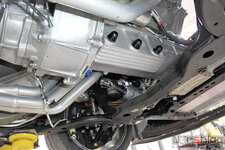
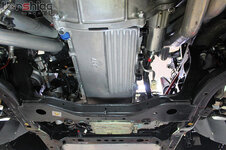
We looked at various aftermarket dry sump pans that were made to work with the LS7/LS9 pump and were not sure we had the room to fit any of them with the stock crossmember / mounts / headers from our LS550 swap. So after much discussion, I went looking for a stock LS7 pan. These are NLA new from GM, so I went looking for a good used pan, and after a couple of weeks of fruitless searches, the folks at LGM hooked me up. I cleaned that used pan up in our parts washer (it had been on an engine that didn't live), then I ran it for a few cycles in the sonic cleaner at HPR. We also replaced the pickup screen with a new GM unit (which luckily is still available).
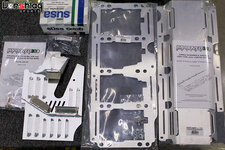
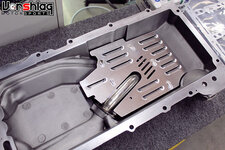
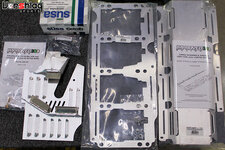
Then I ordered every piece Improved Racing makes for the LS7 - a drop in oil pan baffle, their windage tray and their crank scraper. The drop in pan baffle was installed and I took the cleaned up pan and the rest to HPR for installation (this was done in mid March, before I picked up the engine - showing the story a bit out of order here, apologies).
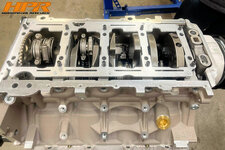
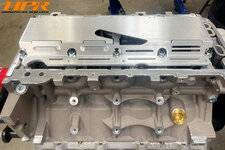
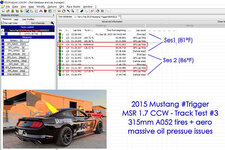
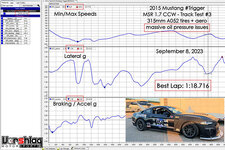
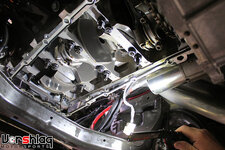
The fine folks at HPR then clearanced and tweaked last two these items made for a little 427" LS7 (4.000" stroke) to fit this higher stroked 454" version (4.125" stroke), and they got all of these items safely installed on the bottom with ample clearance. Does this crank scraper and windage tray help with oil flow slosh in corners? After a number of events I can say this: No, it seems like it does not. I will cover these oil pressure issues we saw in long left hand covers with this setup - not dire, but concerning - in another post.
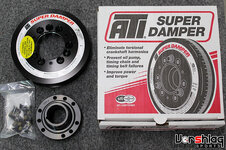
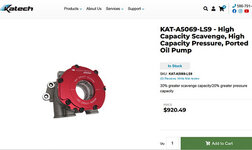
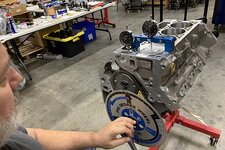
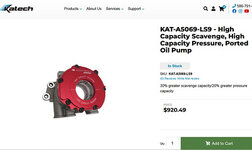
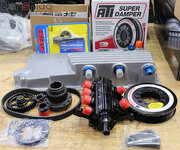
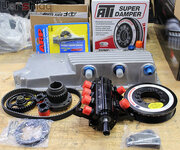
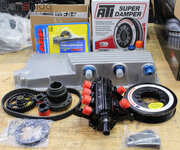
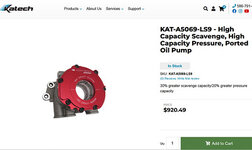
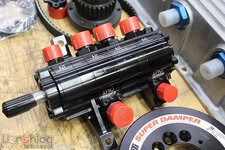
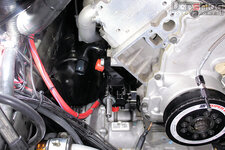
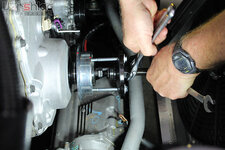
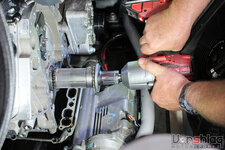
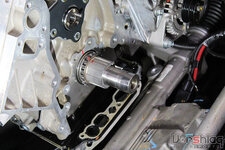
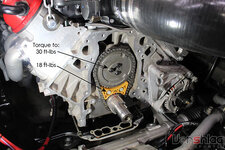
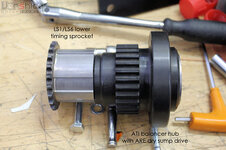
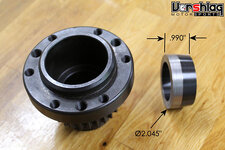
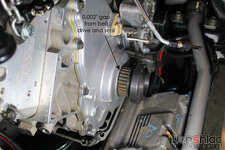
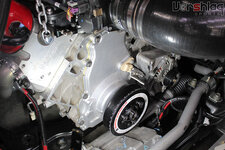
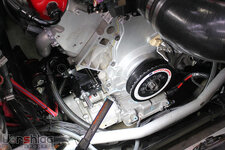
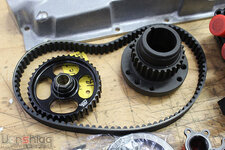
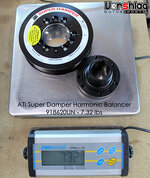
I then bought yet another ATI balancer and hub to fit the longer LS7 style crank snout, then the Katech red 2 stage oil pump. This is unlike a traditional wet sump oil pump for an LS - the LS7 style system used a unit that has two pumps in a longer package, and these work in tandem.
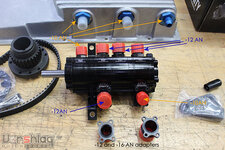
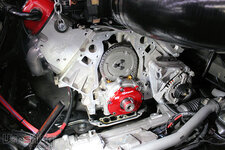
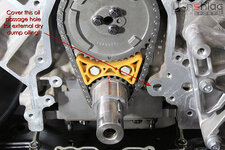
One pump is the "scavenge" pump, which sucks oil from the pickup screen in the oil pan and pumps it out the side of the pan to go to the top of a remote oil settling tank (or dry sump tank). The "second stage" pump sucks from oil the bottom of the remote settling tank and pumps it through the engine to create oil pressure. I will show more and label the lines when we get to the plumbing of the system, further down in this post.
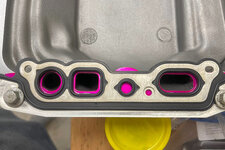
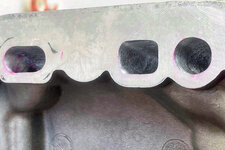
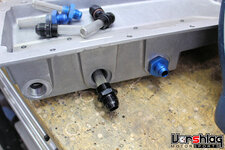
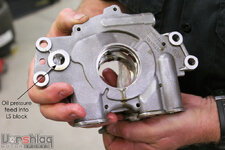
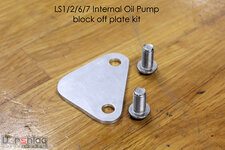
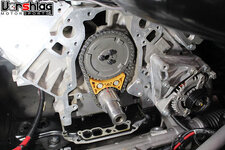
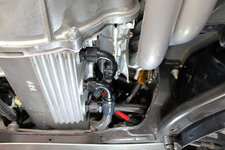
One of the last items HPR modified for this 454 long block was the LS7 oil pan, which has 3 ports cast into the pan for the various stages and pass-thrus. Brian at HPR "port matched" the pan ports to the LS7 oil pan gasket, which matches up with the port matched Katech 2-stage pump. This ensures we have the most flow and least pressure drop possible with this setup.
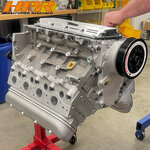
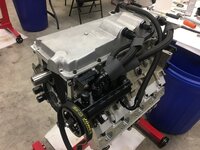
There were dozens of other little parts and details that went into this engine, some of which I will share later in the build thread and others that would bore you. This covers the main chunk that involved the dry sump oiling system, at least on the engine itself.
MOUNTING THE DRY SUMP TANK
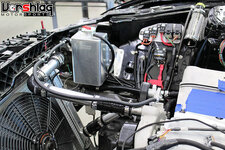
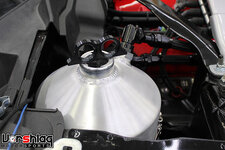
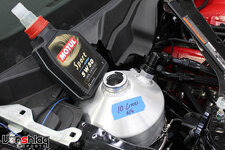
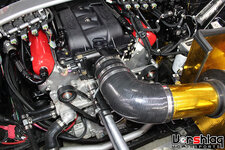
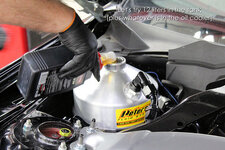
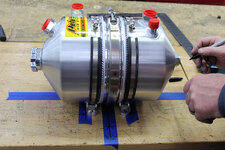
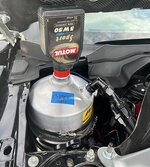
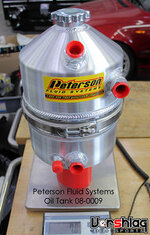
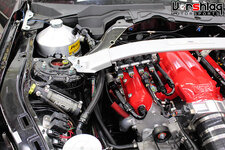
In early March, when we had decided to move this 454" engine with an LS7 style dry sump into the Mustang, it was time to purchase and mount the dry sump settling tank. We searched for days and looked at many factors, but in the end picked this "short and fat" Peterson fluid systems 3 gallon tank. A taller / skinny tank would have been a better for actual oil settling, but it came down to the final placement we picked and our lack of allowable height there.
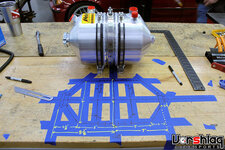
What I thought would take a coupe of days to find the final location and mount, actually spanned 2.5 months. Some of this was us having to wait on other items, but the final fitting of the hood happened in the first week of June. These various parts delays made me nearly crazy, as I missed competition event after event, borrowing cars to try to bank some points for the Texas region SCCA Time Trial series in Max1 class. This was a very frustrating time, but we had other delays outside of this oil tank mounting.
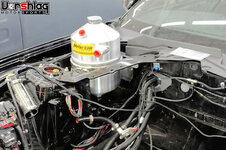
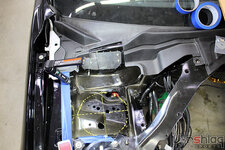
Most of this mounting work was completed before the engine even left HPR for the last time on March 31st. Frankly we needed the engine out of the way to do some of this fabrication work, often working inside the engine bay to access a cut here and there. This giant tank was not easy to mount - not even a little easy.
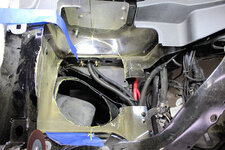
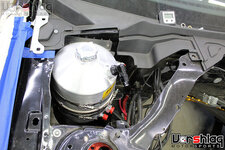
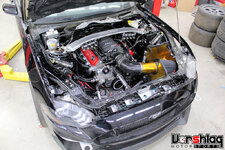
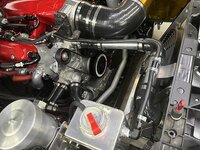
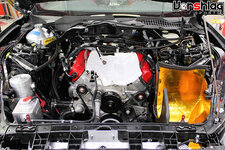
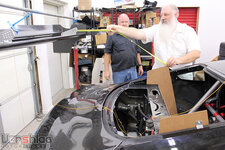
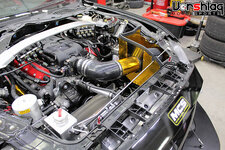
The first round cut put the tank too close to the tire, so we had to move the tank back into the edge of the outer firewall. We had to chop out that "shelf" (see above left), then relocate some wiring pass-thrus we had already wired and run with the 385" engine. But eventually the cuts were made and the tank fit around and above the tire. The top of the tank would still hit the hood, but I had a plan for that.
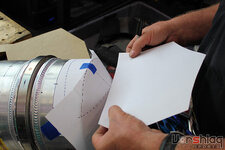
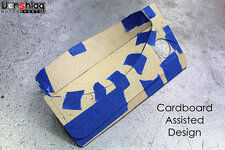
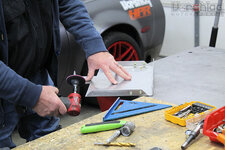
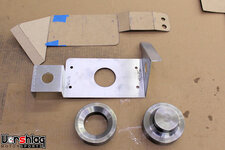
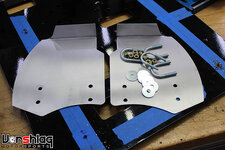
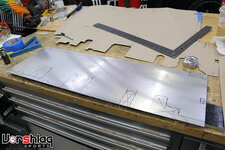
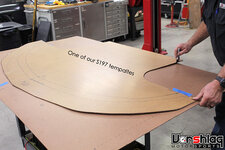
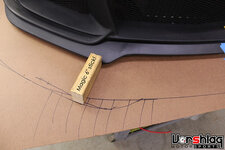
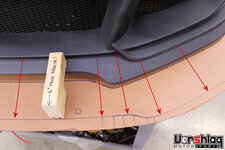
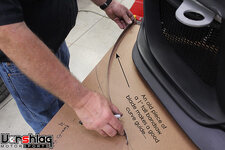
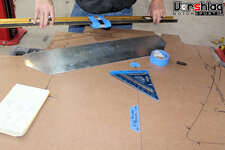
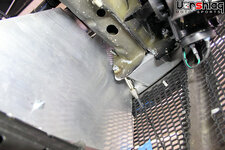
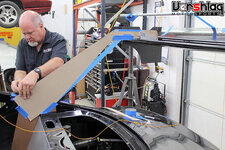
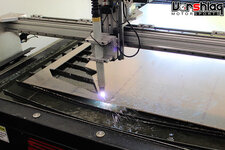
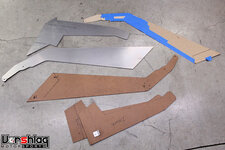
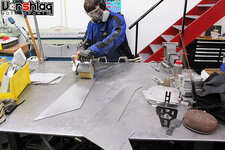
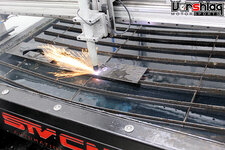
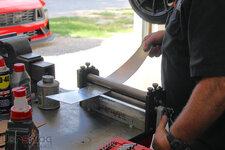
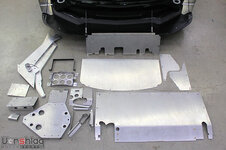
To cover the hole in the firewall shelf we had cut, Brad made some paper templates then transferred those into cardboard. This CAD template was mocked up and perfected before going to aluminum. This cover would sit very close to the tank, to maximize clearance to the hood.
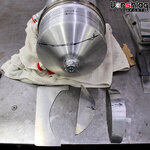
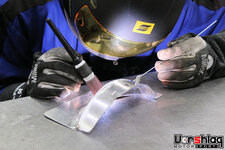
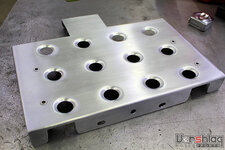
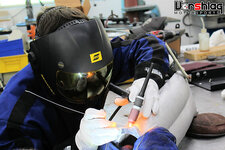
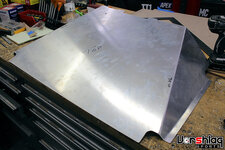
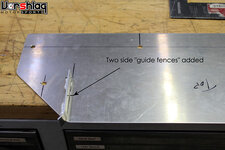
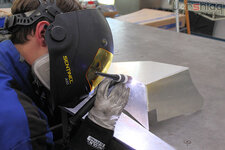
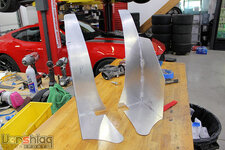
Austin worked with Brad to get these 3 pieces TIG welded into an assembly that fits in the bottom back corner of the engine bay. It took some patience, cooling between welds, and some skill, but he got it all seam welded together perfectly. Brad then sanded and smoothed the welds to make it look like art which nobody will ever see once installed.
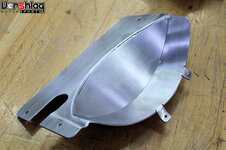
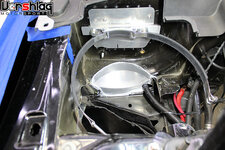
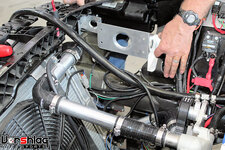
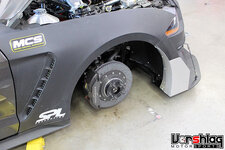
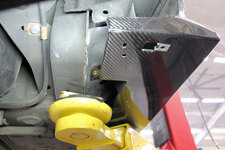
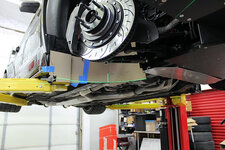
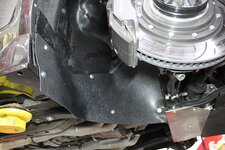
This final assembly essentially made just another firewall block off plate, with integrated mounting flanges that were part of the original design. This perfectly seals off the cone shaped hole in the shelf and attaches to the back of the firewall as shown. Then it is sealed off with seam sealer.
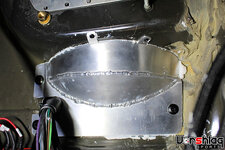
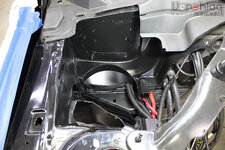
Once Brad riveted and sealed this in place, the engine bay side was masked and painted in a matching semi-gloss black. And all of this will be well hidden underneath the Peterson tank, but I'll still know it was done right.
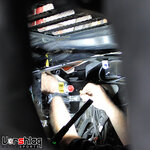
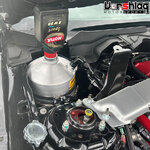
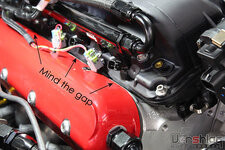
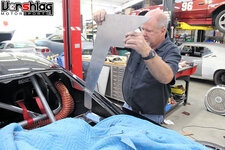
With the oil settling tank mounted (and with plumbing added a little later), Brad crawled through the engine bay and marked where the hood would touch. We had the hood just mocked up in place, as it was interfering with the oil fill cap and that upper forged 90deg -12 AN fitting.
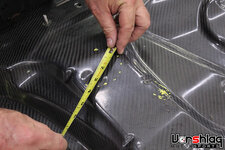
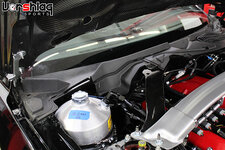
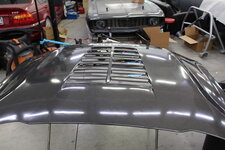
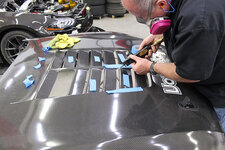
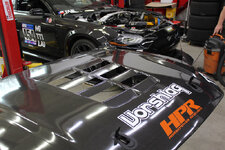
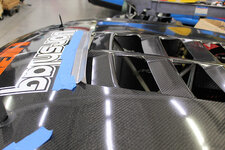
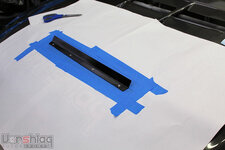
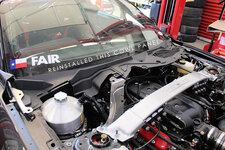
And this was the last little bit that waited until June - cutting two clearance holes in the inner skin of the Anderson Composites carbon hood, By then the engine ran and it was time to add the hood for track testing, so this leftover hood from my 2018 Mustang GT got a little trimming, as did the plastic firewall cowl panel, which you can see above right. Whew!
continued below
At this point, my 2023 season of racing with the Mustang was FUBAR. And sadly, we had just finish prepping the 2006 C6 Corvette for sale, along with fresh paint, so I wasn't going to race that again (it moved to the same Max1 class as the Mustang, after we added heads/cam/intake to that in early 2023).
This was the worst feeling in racing - after a long thrash to get this much anticipated Mustang ready for a race season, it was all over in seconds. I was resigned to co-driving with Amy in her 2023 BRZ, which was fun, but... just not the same as a car with power.
UPGRADING THE FUEL TANK LIFT PUMP ASSEMBLY
At this point my head was still spinning, and I didn't have a solid plan for what to do next. I was lost. The 6.3L engine was supposed to be our "training wheels" engine for the 2023 season, an easy 480 whp lump that we could run while the suspension was sorted, ABS perfected, while we added aero, and we made the Mustang just a fun all around track car. That wasn't possible now - so I tried to concentrate on other unfinished business on this car while coming up with contingency plans for the engine.
Before the 2nd dyno day we had the leaks from the top of the plastic drop-in fuel pump assembly. Instead of buying another plastic unit and drilling the overflow / return line for the -8 AN bulkhead in another new plastic fuel pump lid, I decided to upgrade to the proper parts - this $740 Aeromotive billet aluminum drop-in fuel pump assembly was ordered. This is a very well made part that is made explicitly for the S197/S550 Mustang fuel tank, and I highly encourage anyone attempting the fuel system upgrades we did to go with this route. Save yourself the hassles and potential leaks / fire problems with drilling the stock plastic piece!
At the same time I opted to buy the proper tool to remove the locking ring that holds these fuel pump assemblies into S197/S550 tanks, instead of using a pair of screw drivers and a lot of cursing. We have needed this for years, and it was worth every penny.
Instead of having a hole drilled in plastic, this billet aluminum piece has two -8 AN ports in the top, as well as these wiring pass-thrus built into the unit. There's also a bracket built in to take the stock S550 fuel level float, which Brad transferred over from the stock assembly. This Aeromotive unit is made to take as many as 3 pumps - it can be your main pump assembly for up to 1000 hp - but we're only using one pump as a lift pump to feed the Radium remote surge tank, which will have two pumps inside. That single can then work then at lower pressures / higher flow, which is more than enough pump for a lift pump.
We ordered this with one 340 LPH Walbro pump for the lift, then dropped it into the tank and began wiring and plumbing to the top. We could not use the plastic bowl that the OEM pump assembly uses, of course, nor the jet pump line from the other side. The overflow from the surge tank feeds down onto this side of the saddle, so the crossover tube to the other saddle hasn't been a big concern on track (again, after 6 events now).
This was plumbed and wired up cleanly with the supplied connections at the top. And Brad really wanted to replace the "randomly placed" M6 rivnuts, but we left them for now - the top aluminum cover panel we have more than covers the hole in the floor. The Fragola -8 AN hose ends lined up perfectly with the AN-to-ORB fittings we added at the Aeromotive junction, shown above. The cleanest, safest install I could think of for the stock fuel tank. We might not have an engine for the car at this point, but we no longer need to worry about a fuel leak when the stock gas tank is filled!
BORROWING AMY'S HPR454 ENGINE??
In January of 2021 the folks at HPR started building this 454" stroker engine for Amy's 2013 FRS - which we were doing an LS swap with. This '12 FRS used to be her primary track car, and was now being built for the Optima series with a Darton sleeved gen IV block, big Brodix heads, an 8 CW crank with 4.125" stroke, and an unusual "pin guided" rod and piston setup.
We had a small part in this craziness as we machined both the width of the big end of the lightened rods to make them even lighter, as well as make room for these aluminum spacers that were needed to fit into the custom designed Wiseco pistons - which were cut with a "square" opening for this pin guided setup. So instead of the rod being located at the crank on the big end, the piston would be located the rod fore-aft at the small end, on the piston pin.
This was done to remove bob weight from the rotating assembly, and this 3D milled piston and lightened rod combo have a lower bob weight than a titanium rodded LS engine. We had originally planned on a 4.250" stroke 468" engine, but being one of the partners at HPR, I agreed to test out a new 8CW 4.125" forged crank from a new supplier. We made that into a long snout version to utilized an LS7 style dry sump pump - as this car intended to have an air conditioner where an external belt driven dry sump would be (see Optima series use).
Amy and I helped Erik assemble the short block throughout early 2021, at night and on weekends, and we got this 454" bottom end put together and ready for more parts in Feb 2021. Amy paid for all of this craziness, and it was to be her engine for the next several seasons.
Erik had installed and degreed the initial .660" lift hydraulic roller cam, and the shortblock was bagged up - awaiting a new cylinder head to test. Then the supply chain totally broke down, we couldn't get valves and some other parts for a long, long time.
In Feb of 2022 this first set of HPR / Brodix BR7 series set of heads arrived, which Erik had worked with a leading CNC head porter to come up with various port styles with various volumes and valve sizes. Parts took months to arrive but in early 2023 hpr started getting a steady flow of these custom Brodix heads in, Titanium valves started flowing again (Ukraine supplies a lot of Titanium for valves), their in-house valve guide machine was online, and in early March of this year we had the final heads for Amy's engine.
After the February dyno disaster, Amy saw how distraught I was over losing the 6.3L engine. I explained the still lingering engine parts shortage of the Pandemic would extend that rebuild for many more months, and I was going to be dropping out of TT events this season.
Then this saint of a woman offered up her 454 engine for use in #Trigger... I didn't dare ask her for that earlier. My head exploded, and this "doomed 2023 season" was no longer over! Amy freagin rocks.
A few planning sessions at lunch with Erik and we changed what intake the 454 would use, and Erik spec'd out a shorter duration camshaft but with .750" lift, using these Crower 1.9 ratio shaft rockers. On March 31st of 2023 I picked up the complete 454 engine - and it was going into my Mustang!
ADDING A DRY SUMP OIL PAN
Normally at this point you might think we would be out shopping for a 5+ stage external dry sump oiling system, but this engine was stuck with some decisions made 2 years earlier for another series in another car. And this was not my engine, it was borrowed from my wife from her real race car, so we decided to stick with the same plan: use the GM LS7 based 2-stage pump, which is driven off the front of the crank.
We looked at various aftermarket dry sump pans that were made to work with the LS7/LS9 pump and were not sure we had the room to fit any of them with the stock crossmember / mounts / headers from our LS550 swap. So after much discussion, I went looking for a stock LS7 pan. These are NLA new from GM, so I went looking for a good used pan, and after a couple of weeks of fruitless searches, the folks at LGM hooked me up. I cleaned that used pan up in our parts washer (it had been on an engine that didn't live), then I ran it for a few cycles in the sonic cleaner at HPR. We also replaced the pickup screen with a new GM unit (which luckily is still available).
Then I ordered every piece Improved Racing makes for the LS7 - a drop in oil pan baffle, their windage tray and their crank scraper. The drop in pan baffle was installed and I took the cleaned up pan and the rest to HPR for installation (this was done in mid March, before I picked up the engine - showing the story a bit out of order here, apologies).
The fine folks at HPR then clearanced and tweaked last two these items made for a little 427" LS7 (4.000" stroke) to fit this higher stroked 454" version (4.125" stroke), and they got all of these items safely installed on the bottom with ample clearance. Does this crank scraper and windage tray help with oil flow slosh in corners? After a number of events I can say this: No, it seems like it does not. I will cover these oil pressure issues we saw in long left hand covers with this setup - not dire, but concerning - in another post.
I then bought yet another ATI balancer and hub to fit the longer LS7 style crank snout, then the Katech red 2 stage oil pump. This is unlike a traditional wet sump oil pump for an LS - the LS7 style system used a unit that has two pumps in a longer package, and these work in tandem.
One pump is the "scavenge" pump, which sucks oil from the pickup screen in the oil pan and pumps it out the side of the pan to go to the top of a remote oil settling tank (or dry sump tank). The "second stage" pump sucks from oil the bottom of the remote settling tank and pumps it through the engine to create oil pressure. I will show more and label the lines when we get to the plumbing of the system, further down in this post.
One of the last items HPR modified for this 454 long block was the LS7 oil pan, which has 3 ports cast into the pan for the various stages and pass-thrus. Brian at HPR "port matched" the pan ports to the LS7 oil pan gasket, which matches up with the port matched Katech 2-stage pump. This ensures we have the most flow and least pressure drop possible with this setup.
There were dozens of other little parts and details that went into this engine, some of which I will share later in the build thread and others that would bore you. This covers the main chunk that involved the dry sump oiling system, at least on the engine itself.
MOUNTING THE DRY SUMP TANK
In early March, when we had decided to move this 454" engine with an LS7 style dry sump into the Mustang, it was time to purchase and mount the dry sump settling tank. We searched for days and looked at many factors, but in the end picked this "short and fat" Peterson fluid systems 3 gallon tank. A taller / skinny tank would have been a better for actual oil settling, but it came down to the final placement we picked and our lack of allowable height there.
What I thought would take a coupe of days to find the final location and mount, actually spanned 2.5 months. Some of this was us having to wait on other items, but the final fitting of the hood happened in the first week of June. These various parts delays made me nearly crazy, as I missed competition event after event, borrowing cars to try to bank some points for the Texas region SCCA Time Trial series in Max1 class. This was a very frustrating time, but we had other delays outside of this oil tank mounting.
Most of this mounting work was completed before the engine even left HPR for the last time on March 31st. Frankly we needed the engine out of the way to do some of this fabrication work, often working inside the engine bay to access a cut here and there. This giant tank was not easy to mount - not even a little easy.
The first round cut put the tank too close to the tire, so we had to move the tank back into the edge of the outer firewall. We had to chop out that "shelf" (see above left), then relocate some wiring pass-thrus we had already wired and run with the 385" engine. But eventually the cuts were made and the tank fit around and above the tire. The top of the tank would still hit the hood, but I had a plan for that.
To cover the hole in the firewall shelf we had cut, Brad made some paper templates then transferred those into cardboard. This CAD template was mocked up and perfected before going to aluminum. This cover would sit very close to the tank, to maximize clearance to the hood.
Austin worked with Brad to get these 3 pieces TIG welded into an assembly that fits in the bottom back corner of the engine bay. It took some patience, cooling between welds, and some skill, but he got it all seam welded together perfectly. Brad then sanded and smoothed the welds to make it look like art which nobody will ever see once installed.
This final assembly essentially made just another firewall block off plate, with integrated mounting flanges that were part of the original design. This perfectly seals off the cone shaped hole in the shelf and attaches to the back of the firewall as shown. Then it is sealed off with seam sealer.
Once Brad riveted and sealed this in place, the engine bay side was masked and painted in a matching semi-gloss black. And all of this will be well hidden underneath the Peterson tank, but I'll still know it was done right.
With the oil settling tank mounted (and with plumbing added a little later), Brad crawled through the engine bay and marked where the hood would touch. We had the hood just mocked up in place, as it was interfering with the oil fill cap and that upper forged 90deg -12 AN fitting.
And this was the last little bit that waited until June - cutting two clearance holes in the inner skin of the Anderson Composites carbon hood, By then the engine ran and it was time to add the hood for track testing, so this leftover hood from my 2018 Mustang GT got a little trimming, as did the plastic firewall cowl panel, which you can see above right. Whew!
continued below