- Welcome to the Ford Mustang forum built for owners of the Mustang GT350, BOSS 302, GT500, and all other S550, S197, SN95, Fox Body and older Mustangs set up for open track days, road racing, and/or autocross. Join our forum, interact with others, share your build, and help us strengthen this community!
You are using an out of date browser. It may not display this or other websites correctly.
You should upgrade or use an alternative browser.
You should upgrade or use an alternative browser.
-
 106046607_755812598489928_2455907542647497159_n.jpg46.3 KB · Views: 9,492
-
 106170355_732767460872872_4772550018442421772_n.jpg430.4 KB · Views: 552
-
 106099899_727547371353163_4194292706000435359_n.jpg443 KB · Views: 582
-
 106034581_699591350597569_2039235884909641443_n.jpg245.1 KB · Views: 564
-
 106008853_611912762776071_3630264338735738304_n.jpg119.9 KB · Views: 617
-
 106110572_298783267944082_3127898115970043931_n.jpg336.5 KB · Views: 601
-
 106053383_284356049596177_4663534928134367508_n.jpg420.8 KB · Views: 611
-
 106457847_283520209508614_5314482949190586432_n.jpg77.2 KB · Views: 604
-
 105996805_277352826803500_5819691247003398322_n.jpg633.5 KB · Views: 622
-
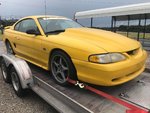 106529708_263191898434195_7610687179733812814_n.jpg541.1 KB · Views: 858
-
 20200718114327_IMG_1745.JPG151.9 KB · Views: 521
-
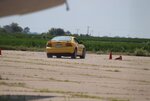 20200718114336_IMG_1750.JPG208.9 KB · Views: 600
-
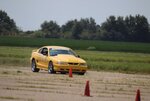 20200718114343_IMG_1751.JPG208.2 KB · Views: 519
-
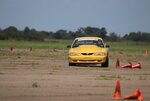 20200718114322_IMG_1742.JPG198.6 KB · Views: 518
-
 20200718114323_IMG_1743.JPG195.1 KB · Views: 539
-
 20200718113317_IMG_1677.JPG156.3 KB · Views: 501
-
 20200718113327_IMG_1679.JPG209.6 KB · Views: 522
-
 20200718113335_IMG_1685.JPG181.2 KB · Views: 517
-
 20200718113759_IMG_1704.JPG184.1 KB · Views: 525
-
 20200718113800_IMG_1705.JPG189 KB · Views: 485
-
 20200718112814_IMG_1671.JPG244.2 KB · Views: 495
-
 20200718112749_IMG_1656.JPG181.6 KB · Views: 507
-
 20200718112731_IMG_1652.JPG168.2 KB · Views: 487
-
 122948484_872462076828885_5493298614254124590_n.jpg144.7 KB · Views: 518
-
 122893948_266838331404280_7774765418650958271_n.jpg128.7 KB · Views: 435
-
 170987303_1234966600282510_5219857906592007368_n.jpg677.6 KB · Views: 446
-
 171048615_497815241592534_7931488063319864226_n.jpg506.9 KB · Views: 375
-
 170703651_498214947883632_5894585348377074258_n.jpg521.7 KB · Views: 545
-
 171007808_1563219643877540_9031273876243164682_n.jpg445.7 KB · Views: 446
-
 171046933_1083391748738063_4055870339387246516_n.jpg540.5 KB · Views: 434
-
 171031010_448020959614860_9029661938810395383_n.jpg612.5 KB · Views: 385
-
 171288039_140530344672858_6824288864377725309_n.jpg477 KB · Views: 469
-
 171031011_4105792969431187_6492938295137283462_n.jpg434.6 KB · Views: 401
-
 134706543_2957569934566418_3241436482715270402_n.jpg74.4 KB · Views: 488
-
 117589130_2683310828549849_5888601465576115306_n.jpg40.9 KB · Views: 512
-
 118516789_937263333452150_8387089373837772866_n.jpg45.6 KB · Views: 448
-
 Piston Crack 2.jpg34.6 KB · Views: 413
-
 Piston Crack.jpg37 KB · Views: 421
-
 493721153_4222926148030784_9070267412629982588_n.jpg239.9 KB · Views: 180
-
 IMG_7460.JPG330.1 KB · Views: 114
-
 IMG_7945.JPG317.4 KB · Views: 129
-
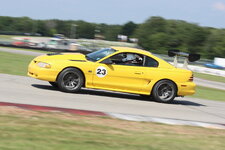 IMG_9816.JPG304 KB · Views: 116
-
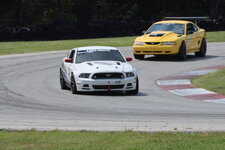 IMG_0362.JPG366.4 KB · Views: 116
-
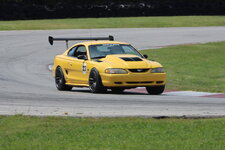 IMG_0366.JPG320.4 KB · Views: 115
-
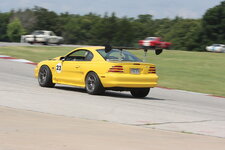 IMG_7513.JPG318.7 KB · Views: 112
-
 IMG_7554.JPG315.2 KB · Views: 132
-
 IMG_7897.JPG319 KB · Views: 111
-
 IMG_7944.JPG316.6 KB · Views: 111
-
 IMG_9817.JPG284.5 KB · Views: 131
-
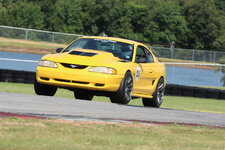 IMG_9782.JPG338.8 KB · Views: 116
SN95 Chris' 427w Swapped 1995 Build Thread Profile - SN95 Mustangs
- Thread starterGimpyHSHS
- Start date
1995 Mustang GT
This site may earn a commission from merchant affiliate links, including eBay, Amazon, and others.
More options
Who Replied?
- Thread starter
- #162

Realized that I haven't posted in a long time. Just some lurking here and there. This is going to be a long update (and there will be another one to follow)...I have a lot of balls in the air with the car this year. Some details are still in the works, but the general plan is fairly solid. Kudos if you make it all the way through both of the coming posts!
Oil & Coolant Temps
The November 2025 outing was encouraging in some ways. The car ran a 1:24.095, down from the previous 1:25.584, and the improvements were clearly working.
Unfortunately, the new oil temp gauge also gave me new information I would've preferred to remain ignorant of...with ambient temps around 70* (30* cooler than I've ever ran it before), oil temp was reaching roughly 310* after just two hard laps. A cooldown lap would bring it back toward 280*, but it would jump again very quickly on the next lap. This was with around eight quarts in the DRS pan and no external oil cooler. I can't imagine how hot the oil was getting in 10/15/20 minute sessions at the June event I used to attend....
The radiator boxing seemed to help normal coolant temperatures. I was seeing closer to 205* instead of 215*, but I was pushing coolant out anyway. At the time, I was looking at the cap and possible air in the system...we'll get to that later.
Last significant thing was that the engine had a big time vibration going...I wasn't pushing the engine to its limit because of how it felt.
Time to Quit Pretending
Post-November, where I had my brother and his Boss 302R beat by a second, I decided there was one big, untapped opportunity to ensure I stay ahead: quit hauling so much weight around.
I've always liked the street-car look. Full interior and glass, antique plate, reasonably quiet exhaust (when the mufflers were on)...then running with cars that should've been much faster. I've never wanted to see this car stripped and gutted into a beater racecar.
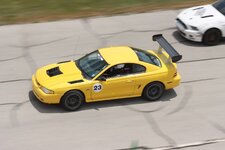
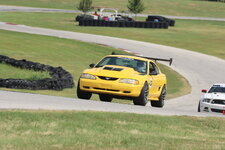
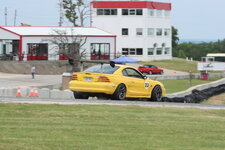
But...it was getting harder to maintain the "sleeper" illusion. If the cowl hood with the RaceLouvers didn't give it away, the big brakes (for an SN95) would. Or the 345s on 12" wheels at all four corners, hanging well outside the wheel wells. Or the big GStream wing in back. Or the new front splitter. It's just gotten so much less subtle over time. It was time to quit pretending and embrace what the car had become...time to strip it down to race weight!
I started in the back. Rear seats, trim, seatbelts, insulation, headliner, visors, and everything else that wasn't doing anything useful. That was an easy 100 lbs. Then I got into things like:
More Grip, More Speed...More Safety!
That event also brought the safety discussion back. My family started leaning on me even harder. As I’ve said before, it shows they care and I can't be mad at them for that. I just haven’t wanted to take the plunge. But, now that the car was already apart to take the weight out...it was gonna be hard to justify putting it back together without addressing the safety side.
One thing I’ll admit that I probably shouldn't...I never drive this car at 10/10ths. Some of that is just basic respect for the car’s limits...and my own. I like leaving plenty in reserve through the corners. That may never change (insert joke about inadequate manhood here). But some of it is that I don’t feel particularly safe exploring the limits without real rollover protection, proper race seats and harnesses, fire suppression, etc. I keep going back to our S197 Champ Car. I push that car harder. I’m strapped in securely and I feel better protected. That feeling doesn’t make the risks disappear, but being comfortable and confident matters...which does impact the all-important lap times.
Once I mentally committed to the safety = performance connection...I got a lot more interested in doing the safety stuff. Funny how that works. After some conversation in December/January, I took the car back to Vorshlag in Texas. Their reputation for building high-quality track machines precedes them. It helps that they speak my language...they like their safety, they take it seriously, but they also recognize that "lap times matter".
Back to Vorshlag for Roll Bar, Seats, and Harnesses
We've kicked a couple ideas/options around and I don't think it's 100% decided what we're going to do on the roll bar. Vorshlag brought up using the Maximum Motorsports one. They've installed it in several cars and I think they've always been happy with it. I had a few reservations, though.
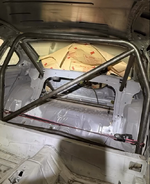
Most importantly, I want the bar as far back and tucked as tightly against the body as possible to maximize seat travel and helmet clearance. We ran into those issues with our S197 Champ Car; with the roll bar all the way back against the rear seat "wall", the driver's seat still contacts the main hoop diagonal when pushed back. We notched the back of the seat for clearance, but I'm still just a little cramped (my knee kind of rolls back and forth along the dash as I clutch in and out, for example). I'd really like to avoid that on this car, so I've suggested we go fully custom and install the bar on top of that rear seat "wall"...or even just behind it like this one:
I'm also trying to plan ahead a little. I'm not ready to commit to a full cage right now, but I want the roll bar done with that in mind. If I decide to go wheel-to-wheel racing down the road, I'd like to be able to add the remaining structure to what's already there rather than cut everything out and start over. The MM bar uses mostly 1.75" x .134" tubing, which is more wall thickness than needed under either SCCA or NASA rules. So on the one hand, I'd be good there...on the other hand, that is a couple extra pounds I could potentially save. Not a huge deal, but I'm trying to take weight out here and there, where practical. Interestingly, the MM harness bar uses smaller 1.5" tubing, which brought up some questions about NASA's requirement for consistent tubing sizes.
Long story short...MM makes good stuff and I'd feel plenty safe with that bar. But I want to get the foundation right now. So I'm happy to spend a little more for the custom install.
The seats have become a problem, too. I replaced the factory seats with reclining Corbeaus years ago, and they were a nice upgrade then, but they just aren’t enough to hold me in place with the grip the car has now. I’m back to hanging onto the steering wheel to keep myself planted. With the EPAS working well in November, that meant I was also unintentionally pulling the car off line as I moved around. It’s just hard to be smooth when the steering wheel is doing double duty as an "oh-$h1t" handle. I'm planning to go with the RaceQuip 96886689RQP that we used in the Champ Car. I've talked about my struggles with size/weight in here in the past....I'm back on the gym/diet effort, but still need the wide 17" seat to be comfortable (even skinnier Chris has wide shoulders and hips).
The plan is for these to be side-mounted, on sliders, and using Vorshlag's new seat bracket for the Fox/SN95:


(Vorshlag has these listed as Fox on the website, but they've tweaked it to work on SN95, too)
Engine Findings + Changes
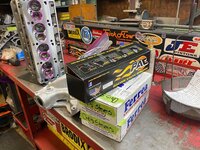
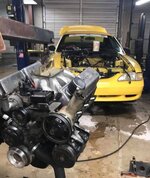
Because of everything I was seeing (imbalance, oil temps, etc), I decided to go ahead and get the engine refreshed. Terry at Vorshlag is also a part owner in Horsepower Research (HPR) in McKinney, Texas, so there was some convenience in dropping the whole car off, then letting them coordinate from there. Vorshlag pulled the engine in January and sent it to HPR, where the teardown gave us a better idea of what was happening...
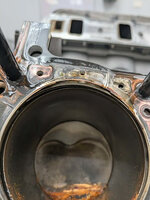

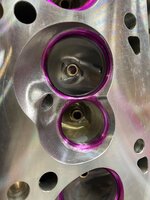
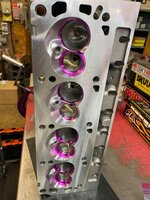
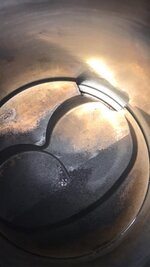
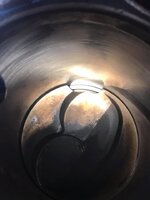
HPR found significant heat damage in the pistons and combustion chambers. Their opinion was lean condition and/or incorrect timing. One piston had melted through to the ring land. They said spark plugs still looked reasonably normal, with all the ground straps intact. Blown head gasket and some cleanup needed on the head surface. The rest of the inspection was more encouraging. They said the main and rod bearings, valves, and valve guides were in really good shape. The bearing news surprised me a bit...I expected them to be rough with the oil temps I was seeing. I guess I wasn't giving the 0w-40 Mobil 1 Euro Spec enough credit...I'd heard that it was a quality oil and could handle high temps, but that still impressed me.
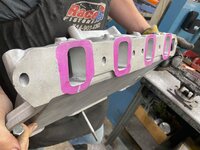
The engine is mostly going back to the way it was inside. Same heads (springs, valves, retainers, etc), cam, rods, etc. Obviously it needed a new set of pistons...a budget-build could maybe get away with replacing the one broken one, but I'm not sure that's "right" (and I don't even pretend I "budget" anything anymore). Detonation hammers pistons hard and creates a lot of heat in the combustion chamber. There can be unseen damage to the structure of the piston that pops back up later. No reason to risk an expensive, freshly-rebuilt engine over a $1000 set of pistons.
Since we were doing the new pistons anyway, I asked about dropping the compression. I think it was at about 10.8:1 before and with the heads needing some clean-up, I was concerned about pushing that higher. Communication on that point broke down a bit...long story short, we're sticking with roughly 11:1. That's not the end of the world. I've been thinking on how to ensure this won't happen again...more on that below.
A couple other small changes that I think will make this engine better:
I've done a lot of thinking about the engine and what caused the blown head gasket/cracked piston. HPR suggested timing/tune issues. They might be absolutely right. We did dial the timing and fuel at WOT in on the engine dyno (and tried to keep it conservative). Afterward, I did my best to fix things like Acceleration Enrichment. Not saying it was perfect, but I definitely didn't think I was doing any damage.
These are the other possible contributors that I've come up with:
Oil & Coolant Temps
The November 2025 outing was encouraging in some ways. The car ran a 1:24.095, down from the previous 1:25.584, and the improvements were clearly working.
Unfortunately, the new oil temp gauge also gave me new information I would've preferred to remain ignorant of...with ambient temps around 70* (30* cooler than I've ever ran it before), oil temp was reaching roughly 310* after just two hard laps. A cooldown lap would bring it back toward 280*, but it would jump again very quickly on the next lap. This was with around eight quarts in the DRS pan and no external oil cooler. I can't imagine how hot the oil was getting in 10/15/20 minute sessions at the June event I used to attend....
The radiator boxing seemed to help normal coolant temperatures. I was seeing closer to 205* instead of 215*, but I was pushing coolant out anyway. At the time, I was looking at the cap and possible air in the system...we'll get to that later.
Last significant thing was that the engine had a big time vibration going...I wasn't pushing the engine to its limit because of how it felt.
Time to Quit Pretending
Post-November, where I had my brother and his Boss 302R beat by a second, I decided there was one big, untapped opportunity to ensure I stay ahead: quit hauling so much weight around.
I've always liked the street-car look. Full interior and glass, antique plate, reasonably quiet exhaust (when the mufflers were on)...then running with cars that should've been much faster. I've never wanted to see this car stripped and gutted into a beater racecar.
But...it was getting harder to maintain the "sleeper" illusion. If the cowl hood with the RaceLouvers didn't give it away, the big brakes (for an SN95) would. Or the 345s on 12" wheels at all four corners, hanging well outside the wheel wells. Or the big GStream wing in back. Or the new front splitter. It's just gotten so much less subtle over time. It was time to quit pretending and embrace what the car had become...time to strip it down to race weight!
I started in the back. Rear seats, trim, seatbelts, insulation, headliner, visors, and everything else that wasn't doing anything useful. That was an easy 100 lbs. Then I got into things like:
- Lighter carpet with no backing: 10lbs saved over factory
- Center console: 7lbs
- Parking brake handle and cables (didn't work anyway): 7lbs
- Passenger airbag: 9lbs
- HVAC box and insulation under the dash: 23lbs
- Several extra feet of ground cable: 2lbs
- Butter knife found under the carpet: 0.14lbs
More Grip, More Speed...More Safety!
That event also brought the safety discussion back. My family started leaning on me even harder. As I’ve said before, it shows they care and I can't be mad at them for that. I just haven’t wanted to take the plunge. But, now that the car was already apart to take the weight out...it was gonna be hard to justify putting it back together without addressing the safety side.
One thing I’ll admit that I probably shouldn't...I never drive this car at 10/10ths. Some of that is just basic respect for the car’s limits...and my own. I like leaving plenty in reserve through the corners. That may never change (insert joke about inadequate manhood here). But some of it is that I don’t feel particularly safe exploring the limits without real rollover protection, proper race seats and harnesses, fire suppression, etc. I keep going back to our S197 Champ Car. I push that car harder. I’m strapped in securely and I feel better protected. That feeling doesn’t make the risks disappear, but being comfortable and confident matters...which does impact the all-important lap times.
Once I mentally committed to the safety = performance connection...I got a lot more interested in doing the safety stuff. Funny how that works. After some conversation in December/January, I took the car back to Vorshlag in Texas. Their reputation for building high-quality track machines precedes them. It helps that they speak my language...they like their safety, they take it seriously, but they also recognize that "lap times matter".
Back to Vorshlag for Roll Bar, Seats, and Harnesses
We've kicked a couple ideas/options around and I don't think it's 100% decided what we're going to do on the roll bar. Vorshlag brought up using the Maximum Motorsports one. They've installed it in several cars and I think they've always been happy with it. I had a few reservations, though.
Most importantly, I want the bar as far back and tucked as tightly against the body as possible to maximize seat travel and helmet clearance. We ran into those issues with our S197 Champ Car; with the roll bar all the way back against the rear seat "wall", the driver's seat still contacts the main hoop diagonal when pushed back. We notched the back of the seat for clearance, but I'm still just a little cramped (my knee kind of rolls back and forth along the dash as I clutch in and out, for example). I'd really like to avoid that on this car, so I've suggested we go fully custom and install the bar on top of that rear seat "wall"...or even just behind it like this one:
I'm also trying to plan ahead a little. I'm not ready to commit to a full cage right now, but I want the roll bar done with that in mind. If I decide to go wheel-to-wheel racing down the road, I'd like to be able to add the remaining structure to what's already there rather than cut everything out and start over. The MM bar uses mostly 1.75" x .134" tubing, which is more wall thickness than needed under either SCCA or NASA rules. So on the one hand, I'd be good there...on the other hand, that is a couple extra pounds I could potentially save. Not a huge deal, but I'm trying to take weight out here and there, where practical. Interestingly, the MM harness bar uses smaller 1.5" tubing, which brought up some questions about NASA's requirement for consistent tubing sizes.
Long story short...MM makes good stuff and I'd feel plenty safe with that bar. But I want to get the foundation right now. So I'm happy to spend a little more for the custom install.
The seats have become a problem, too. I replaced the factory seats with reclining Corbeaus years ago, and they were a nice upgrade then, but they just aren’t enough to hold me in place with the grip the car has now. I’m back to hanging onto the steering wheel to keep myself planted. With the EPAS working well in November, that meant I was also unintentionally pulling the car off line as I moved around. It’s just hard to be smooth when the steering wheel is doing double duty as an "oh-$h1t" handle. I'm planning to go with the RaceQuip 96886689RQP that we used in the Champ Car. I've talked about my struggles with size/weight in here in the past....I'm back on the gym/diet effort, but still need the wide 17" seat to be comfortable (even skinnier Chris has wide shoulders and hips).
The plan is for these to be side-mounted, on sliders, and using Vorshlag's new seat bracket for the Fox/SN95:
(Vorshlag has these listed as Fox on the website, but they've tweaked it to work on SN95, too)
Engine Findings + Changes
Because of everything I was seeing (imbalance, oil temps, etc), I decided to go ahead and get the engine refreshed. Terry at Vorshlag is also a part owner in Horsepower Research (HPR) in McKinney, Texas, so there was some convenience in dropping the whole car off, then letting them coordinate from there. Vorshlag pulled the engine in January and sent it to HPR, where the teardown gave us a better idea of what was happening...
HPR found significant heat damage in the pistons and combustion chambers. Their opinion was lean condition and/or incorrect timing. One piston had melted through to the ring land. They said spark plugs still looked reasonably normal, with all the ground straps intact. Blown head gasket and some cleanup needed on the head surface. The rest of the inspection was more encouraging. They said the main and rod bearings, valves, and valve guides were in really good shape. The bearing news surprised me a bit...I expected them to be rough with the oil temps I was seeing. I guess I wasn't giving the 0w-40 Mobil 1 Euro Spec enough credit...I'd heard that it was a quality oil and could handle high temps, but that still impressed me.
The engine is mostly going back to the way it was inside. Same heads (springs, valves, retainers, etc), cam, rods, etc. Obviously it needed a new set of pistons...a budget-build could maybe get away with replacing the one broken one, but I'm not sure that's "right" (and I don't even pretend I "budget" anything anymore). Detonation hammers pistons hard and creates a lot of heat in the combustion chamber. There can be unseen damage to the structure of the piston that pops back up later. No reason to risk an expensive, freshly-rebuilt engine over a $1000 set of pistons.
Since we were doing the new pistons anyway, I asked about dropping the compression. I think it was at about 10.8:1 before and with the heads needing some clean-up, I was concerned about pushing that higher. Communication on that point broke down a bit...long story short, we're sticking with roughly 11:1. That's not the end of the world. I've been thinking on how to ensure this won't happen again...more on that below.
A couple other small changes that I think will make this engine better:
- Swapping from the Victor Jr to the Super Victor
- Kuntz wanted this originally in 2021...but I was running out of money. The one I got is the 29245 with the injector bungs already in it, in case I decided to run MPFI in the future...which I have! More on that later, but I picked up a Holley Terminator X system for a good price.
- HPR will match this up to my heads, but I don't think we're going too extensive on port work. My Victor Jr just had some matching on the heads and a little work in the carb pad area, so I still think there's a net gain to be had here.
- The loss of some bottom end was a concern...but this car can roast its sticky 345/30/18s whenever I want it to (and sometimes when I don't), so losing a little on the low end isn't going to keep me up at night.
- Adding a rocker stud girdle
- I turn this engine up to around 7200 RPM. It has Johnson Reduced Travel Hydro Lifters and stiff (read: heavy) pushrods. This is cheap insurance to keep the 7/16s rocker studs in line.
I've done a lot of thinking about the engine and what caused the blown head gasket/cracked piston. HPR suggested timing/tune issues. They might be absolutely right. We did dial the timing and fuel at WOT in on the engine dyno (and tried to keep it conservative). Afterward, I did my best to fix things like Acceleration Enrichment. Not saying it was perfect, but I definitely didn't think I was doing any damage.
These are the other possible contributors that I've come up with:
- Fuel Delivery Issues
- This is my top thought...back when I had the factory tank + sump + inline fuel pump setup, I had several events where pumps died after sucking air mid-corner. I should've addressed this much sooner. I got towed off track twice after a pump failure and at one particular event, I stayed out for two laps after the pump started sucking air (my brother was a half lap behind me...and I was gonna beat him or blow the engine. Might have been successful at the latter).
- Solution: The Radium surge tank solved the fuel delivery problem. It has two pumps inside for redundancy. The new Terminator X system will allow me to monitor fuel pressure and implement some safety measures if it does drop. I'll add a dash warning light to alert me if the fuel level drops in the surge tank (IE if the lone lift pump fails or I am genuinely low on fuel). That should give me time to get off track without leaning the engine out.
- Spark Plugs
- Kuntz originally dyno'd the engine with NGK R5671A-9 plugs. Sometime after getting it home, I noticed they were non-resistor type (which don't always play nice with EFI systems). I swapped to NGK BKR7E and ran those for everything...looking back, I don’t know that I realized how much I was changing the heat range (two steps hotter) and also switching to a projected tip.
- Solution: I'll ask HPR what heat range plug/tip style they recommend and run that.
- Insufficient Octane
- The engine dyno can't replicate the real world...it's possible that the heat-soaked engine, drawing hot air from the engine bay, on a 100* day, just can't live on 93 pump gas outside of the dyno cell.
- Possible Solution(s):
- Race Gas: I don't really want to run race gas. If I were gonna do that...I might as well have gone higher on compression. This could be a 12:1, heck a 13:1 engine and probably make more power. It's not...because I don't want to run race gas. It's too hard to get near me, too expensive, etc. Consider this a last resort.
- E85: I've considered running E85 and haven't entirely ruled it out...at least it's accessible at (some) pumps, including one right near my house. When we go to Champ Car events, we haul a mostly empty VP Racing 55-Gallon drum and fill it up near the track. I could do the same with the E85, it would just take more planning to make sure there is E85 available nearby. I've been interested, but I never tried it before because the little Holley Sniper didn't have enough injector to support it at my power level. Not an issue going forward. When I do the Terminator X install, I'll add an ethanol sensor "just in case".
- Boostane: This is where I'm leaning most...adding Boostane to the 93 pump gas. This engine "should" be safe on 93, on paper. If I bumped the octane up to say 99-100, I'd feel pretty good. Going to ask HPR for their thoughts on this.
- Tuning: This is a big one...my plan is to get the Terminator X baseline tuned on the street. Then I'm going to take it to a load-controlling chassis dyno and load it up good while doing the WOT and hard tuning. No "chasing the number" shenanigans here...I want to run it as close to "real world" as I can. Importantly, on 93 pump gas. That way, anything else I do, like adding some race gas or Boostane to bring the octane up, is just adding detonation margin. Yeah, not optimizing the engine tuning for the higher octane is a little wasteful...but I definitely don't want to go from an "edge of 93" to "edge of 99" situation.

Thanks for posting such a detailed update.Realized that I haven't posted in a long time. Just some lurking here and there. This is going to be a long update (and there will be another one to follow)...I have a lot of balls in the air with the car this year. Some details are still in the works, but the general plan is fairly solid. Kudos if you make it all the way through both of the coming posts!
Oil & Coolant Temps
The November 2025 outing was encouraging in some ways. The car ran a 1:24.095, down from the previous 1:25.584, and the improvements were clearly working.
Unfortunately, the new oil temp gauge also gave me new information I would've preferred to remain ignorant of...with ambient temps around 70* (30* cooler than I've ever ran it before), oil temp was reaching roughly 310* after just two hard laps. A cooldown lap would bring it back toward 280*, but it would jump again very quickly on the next lap. This was with around eight quarts in the DRS pan and no external oil cooler. I can't imagine how hot the oil was getting in 10/15/20 minute sessions at the June event I used to attend....
The radiator boxing seemed to help normal coolant temperatures. I was seeing closer to 205* instead of 215*, but I was pushing coolant out anyway. At the time, I was looking at the cap and possible air in the system...we'll get to that later.
Last significant thing was that the engine had a big time vibration going...I wasn't pushing the engine to its limit because of how it felt.
Time to Quit Pretending
Post-November, where I had my brother and his Boss 302R beat by a second, I decided there was one big, untapped opportunity to ensure I stay ahead: quit hauling so much weight around.
I've always liked the street-car look. Full interior and glass, antique plate, reasonably quiet exhaust (when the mufflers were on)...then running with cars that should've been much faster. I've never wanted to see this car stripped and gutted into a beater racecar.
But...it was getting harder to maintain the "sleeper" illusion. If the cowl hood with the RaceLouvers didn't give it away, the big brakes (for an SN95) would. Or the 345s on 12" wheels at all four corners, hanging well outside the wheel wells. Or the big GStream wing in back. Or the new front splitter. It's just gotten so much less subtle over time. It was time to quit pretending and embrace what the car had become...time to strip it down to race weight!
I started in the back. Rear seats, trim, seatbelts, insulation, headliner, visors, and everything else that wasn't doing anything useful. That was an easy 100 lbs. Then I got into things like:You get the idea. If it didn't have a good reason to stay, it became a candidate for removal. I even took the dash home and set it on the dining room table (on a moving blanket, as my girlfriend told me to!) to start stripping out unused wiring. A couple pounds here, a few more there...it starts adding up.
- Lighter carpet with no backing: 10lbs saved over factory
- Center console: 7lbs
- Parking brake handle and cables (didn't work anyway): 7lbs
- Passenger airbag: 9lbs
- HVAC box and insulation under the dash: 23lbs
- Several extra feet of ground cable: 2lbs
- Butter knife found under the carpet: 0.14lbs
More Grip, More Speed...More Safety!
That event also brought the safety discussion back. My family started leaning on me even harder. As I’ve said before, it shows they care and I can't be mad at them for that. I just haven’t wanted to take the plunge. But, now that the car was already apart to take the weight out...it was gonna be hard to justify putting it back together without addressing the safety side.
One thing I’ll admit that I probably shouldn't...I never drive this car at 10/10ths. Some of that is just basic respect for the car’s limits...and my own. I like leaving plenty in reserve through the corners. That may never change (insert joke about inadequate manhood here). But some of it is that I don’t feel particularly safe exploring the limits without real rollover protection, proper race seats and harnesses, fire suppression, etc. I keep going back to our S197 Champ Car. I push that car harder. I’m strapped in securely and I feel better protected. That feeling doesn’t make the risks disappear, but being comfortable and confident matters...which does impact the all-important lap times.
Once I mentally committed to the safety = performance connection...I got a lot more interested in doing the safety stuff. Funny how that works. After some conversation in December/January, I took the car back to Vorshlag in Texas. Their reputation for building high-quality track machines precedes them. It helps that they speak my language...they like their safety, they take it seriously, but they also recognize that "lap times matter".
Back to Vorshlag for Roll Bar, Seats, and Harnesses
We've kicked a couple ideas/options around and I don't think it's 100% decided what we're going to do on the roll bar. Vorshlag brought up using the Maximum Motorsports one. They've installed it in several cars and I think they've always been happy with it. I had a few reservations, though.
Most importantly, I want the bar as far back and tucked as tightly against the body as possible to maximize seat travel and helmet clearance. We ran into those issues with our S197 Champ Car; with the roll bar all the way back against the rear seat "wall", the driver's seat still contacts the main hoop diagonal when pushed back. We notched the back of the seat for clearance, but I'm still just a little cramped (my knee kind of rolls back and forth along the dash as I clutch in and out, for example). I'd really like to avoid that on this car, so I've suggested we go fully custom and install the bar on top of that rear seat "wall"...or even just behind it like this one:
View attachment 112507
I'm also trying to plan ahead a little. I'm not ready to commit to a full cage right now, but I want the roll bar done with that in mind. If I decide to go wheel-to-wheel racing down the road, I'd like to be able to add the remaining structure to what's already there rather than cut everything out and start over. The MM bar uses mostly 1.75" x .134" tubing, which is more wall thickness than needed under either SCCA or NASA rules. So on the one hand, I'd be good there...on the other hand, that is a couple extra pounds I could potentially save. Not a huge deal, but I'm trying to take weight out here and there, where practical. Interestingly, the MM harness bar uses smaller 1.5" tubing, which brought up some questions about NASA's requirement for consistent tubing sizes.
Long story short...MM makes good stuff and I'd feel plenty safe with that bar. But I want to get the foundation right now. So I'm happy to spend a little more for the custom install.
The seats have become a problem, too. I replaced the factory seats with reclining Corbeaus years ago, and they were a nice upgrade then, but they just aren’t enough to hold me in place with the grip the car has now. I’m back to hanging onto the steering wheel to keep myself planted. With the EPAS working well in November, that meant I was also unintentionally pulling the car off line as I moved around. It’s just hard to be smooth when the steering wheel is doing double duty as an "oh-$h1t" handle. I'm planning to go with the RaceQuip 96886689RQP that we used in the Champ Car. I've talked about my struggles with size/weight in here in the past....I'm back on the gym/diet effort, but still need the wide 17" seat to be comfortable (even skinnier Chris has wide shoulders and hips).
The plan is for these to be side-mounted, on sliders, and using Vorshlag's new seat bracket for the Fox/SN95:
View attachment 112505View attachment 112506
(Vorshlag has these listed as Fox on the website, but they've tweaked it to work on SN95, too)
Engine Findings + Changes
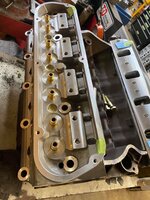
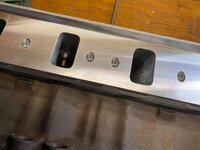
Because of everything I was seeing (imbalance, oil temps, etc), I decided to go ahead and get the engine refreshed. Terry at Vorshlag is also a part owner in Horsepower Research (HPR) in McKinney, Texas, so there was some convenience in dropping the whole car off, then letting them coordinate from there. Vorshlag pulled the engine in January and sent it to HPR, where the teardown gave us a better idea of what was happening...
View attachment 112509View attachment 112508
HPR found significant heat damage in the pistons and combustion chambers. Their opinion was lean condition and/or incorrect timing. One piston had melted through to the ring land. They said spark plugs still looked reasonably normal, with all the ground straps intact. Blown head gasket and some cleanup needed on the head surface. The rest of the inspection was more encouraging. They said the main and rod bearings, valves, and valve guides were in really good shape. The bearing news surprised me a bit...I expected them to be rough with the oil temps I was seeing. I guess I wasn't giving the 0w-40 Mobil 1 Euro Spec enough credit...I'd heard that it was a quality oil and could handle high temps, but that still impressed me.
The engine is mostly going back to the way it was inside. Same heads (springs, valves, retainers, etc), cam, rods, etc. Obviously it needed a new set of pistons...a budget-build could maybe get away with replacing the one broken one, but I'm not sure that's "right" (and I don't even pretend I "budget" anything anymore). Detonation hammers pistons hard and creates a lot of heat in the combustion chamber. There can be unseen damage to the structure of the piston that pops back up later. No reason to risk an expensive, freshly-rebuilt engine over a $1000 set of pistons.
Since we were doing the new pistons anyway, I asked about dropping the compression. I think it was at about 10.8:1 before and with the heads needing some clean-up, I was concerned about pushing that higher. Communication on that point broke down a bit...long story short, we're sticking with roughly 11:1. That's not the end of the world. I've been thinking on how to ensure this won't happen again...more on that below.
A couple other small changes that I think will make this engine better:Musings on the Engine Failure
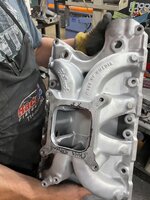
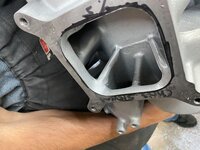
- Swapping from the Victor Jr to the Super Victor
- Kuntz wanted this originally in 2021...but I was running out of money. The one I got is the 29245 with the injector bungs already in it, in case I decided to run MPFI in the future...which I have! More on that later, but I picked up a Holley Terminator X system for a good price.
- HPR will match this up to my heads, but I don't think we're going too extensive on port work. My Victor Jr just had some matching on the heads and a little work in the carb pad area, so I still think there's a net gain to be had here.
- The loss of some bottom end was a concern...but this car can roast its sticky 345/30/18s whenever I want it to (and sometimes when I don't), so losing a little on the low end isn't going to keep me up at night.
- Adding a rocker stud girdle
- I turn this engine up to around 7200 RPM. It has Johnson Reduced Travel Hydro Lifters and stiff (read: heavy) pushrods. This is cheap insurance to keep the 7/16s rocker studs in line.
I've done a lot of thinking about the engine and what caused the blown head gasket/cracked piston. HPR suggested timing/tune issues. They might be absolutely right. We did dial the timing and fuel at WOT in on the engine dyno (and tried to keep it conservative). Afterward, I did my best to fix things like Acceleration Enrichment. Not saying it was perfect, but I definitely didn't think I was doing any damage.
These are the other possible contributors that I've come up with:I'll stop this here for now...will have another post soon!
- Fuel Delivery Issues
- This is my top thought...back when I had the factory tank + sump + inline fuel pump setup, I had several events where pumps died after sucking air mid-corner. I should've addressed this much sooner. I got towed off track twice after a pump failure and at one particular event, I stayed out for two laps after the pump started sucking air (my brother was a half lap behind me...and I was gonna beat him or blow the engine. Might have been successful at the latter).
- Solution: The Radium surge tank solved the fuel delivery problem. It has two pumps inside for redundancy. The new Terminator X system will allow me to monitor fuel pressure and implement some safety measures if it does drop. I'll add a dash warning light to alert me if the fuel level drops in the surge tank (IE if the lone lift pump fails or I am genuinely low on fuel). That should give me time to get off track without leaning the engine out.
- Spark Plugs
- Kuntz originally dyno'd the engine with NGK R5671A-9 plugs. Sometime after getting it home, I noticed they were non-resistor type (which don't always play nice with EFI systems). I swapped to NGK BKR7E and ran those for everything...looking back, I don’t know that I realized how much I was changing the heat range (two steps hotter) and also switching to a projected tip.
- Solution: I'll ask HPR what heat range plug/tip style they recommend and run that.
- Insufficient Octane
- The engine dyno can't replicate the real world...it's possible that the heat-soaked engine, drawing hot air from the engine bay, on a 100* day, just can't live on 93 pump gas outside of the dyno cell.
- Possible Solution(s):
- Race Gas: I don't really want to run race gas. If I were gonna do that...I might as well have gone higher on compression. This could be a 12:1, heck a 13:1 engine and probably make more power. It's not...because I don't want to run race gas. It's too hard to get near me, too expensive, etc. Consider this a last resort.
- E85: I've considered running E85 and haven't entirely ruled it out...at least it's accessible at (some) pumps, including one right near my house. When we go to Champ Car events, we haul a mostly empty VP Racing 55-Gallon drum and fill it up near the track. I could do the same with the E85, it would just take more planning to make sure there is E85 available nearby. I've been interested, but I never tried it before because the little Holley Sniper didn't have enough injector to support it at my power level. Not an issue going forward. When I do the Terminator X install, I'll add an ethanol sensor "just in case".
- Boostane: This is where I'm leaning most...adding Boostane to the 93 pump gas. This engine "should" be safe on 93, on paper. If I bumped the octane up to say 99-100, I'd feel pretty good. Going to ask HPR for their thoughts on this.
- Tuning: This is a big one...my plan is to get the Terminator X baseline tuned on the street. Then I'm going to take it to a load-controlling chassis dyno and load it up good while doing the WOT and hard tuning. No "chasing the number" shenanigans here...I want to run it as close to "real world" as I can. Importantly, on 93 pump gas. That way, anything else I do, like adding some race gas or Boostane to bring the octane up, is just adding detonation margin. Yeah, not optimizing the engine tuning for the higher octane is a little wasteful...but I definitely don't want to go from an "edge of 93" to "edge of 99" situation.
- Thread starter
- #164
Part 2...
Jump to the Dry Sump
The biggest change to the engine will be the addition of the dry sump.
This is something I’ve dreamed about for a while, and with the engine and car both apart, now's the time to do it. For me, there were 4 big reasons:

That 1" setback also lets me remove the 5/8" driveshaft spacer that was needed for the "Fox" (Tremec) bellhousing...which was surprisingly heavy (1.72lbs).
Still discussing some of the nitty-gritty with HPR and Vorshlag, but the general idea here is a 4-stage ARE pump with a big tank. I'm imagining it ends up behind the passenger seat...but I've seen them fit things in some really creative places. I have no clue where that would be on this car...but imagination and fabrication are part of why I like these guys!
Holley Sniper to Terminator X
As mentioned in the last post, I’m switching from the Holley Sniper TBI to Terminator X MPFI. Lots of advantages to this...better fuel distribution, more tunability/safety, more data. Likely more power, too. The Sniper is an 800cfm throttle body. The Term X allows me to run whatever size TB I want.
The plan is to use Injector Dynamics ID1050x injectors (plenty big and I have read really good things). I'm looking hard at the LS-style Holley 102mm cable-operated throttle body. They advertise it as having a progressive throttle opening...which might be normal for a cable-driven LS-style, but I can't tell for sure. That finer control over the beginning of the pedal travel should be useful (I had an extension lever on my Sniper for that reason and it made a BIG difference helping to modulate the throttle).
I’m planning to route the intake to a remote filter outside the engine bay. Exact routing and size TBD...but this should help keep IATs down a bit.
Inputs and Outputs
The Terminator X supports custom fuel and oil pressure safety strategies (the Sniper doesn't even let you plug those sensors in). I'll ask HPR what minimum oil pressure they want to see at what RPMs and then set the Holley system up to match. Fuel pressure will get something similar. The surge tank addressed the fuel delivery problem and the surge tank warning light covers the lift pump failing, but I want an obvious warning if pressure to the engine falls off. Haven't started playing in the software yet...I know the Term can activate a second fuel pump, but not sure it can be done off fuel pressure. If it can, that would make the second pump already in the surge tank an automatic backup (right now, if the first pump quits, I'd have to manually move two wires).
I also think I want to monitor coolant pressure in the Terminator. I don't see many people doing this...so maybe it's dumb? But my thought is that this would give a good reference for something like a head gasket failure, blown coolant hose, etc. With the coolant temp sensor locations I have (both on top of the intake) a blown hose or major leak that drops the coolant level uncovers the sensor...if there's no water touching the sensor, it's hard to know the water temp! A sudden, dramatic loss in pressure would show much faster and allow me to shut down before any engine damage happens.
There are 4 configurable inputs on top of the fuel and oil pressures; one used by the coolant pressure. The plan for the other 3:
Misc Stuff
For the ABS conversion, Vorshlag is going to tackle the physical mounting of the pump. If you've never seen anything of theirs...they do some great work with things like this. There's usually not a sheet metal screw in sight! Having them do it will be way better than anything I'd manage myself. I’ll still have the brake plumbing and wiring to finish afterward, though.
Bellhousing alignment is one of the many "little things that can make a big difference" that I've never done. Vorshlag is going to tackle that. I have tossed around the idea of switching from my ancient TR3550 to a new TKX...but not sure it'll happen right now. The TR3550 and TKX both use the same bellhousing though, so it's better to have the pros do it while its there...it'll get used either way.
Vorshlag will be working an oil cooler and thermostat installation in once the engine is done. More oil with the dry sump tank should buy some time, but I want to be able to run as many sessions as I feel like running without worrying about it.
They’re also gonna do some proper mounts for the radiator and Contour fan assembly, along with a tubular lower core support (3lbs! Off the nose!)
I think there's more I'm forgetting, but it'll have to be added later! So long for now!
Jump to the Dry Sump
The biggest change to the engine will be the addition of the dry sump.
This is something I’ve dreamed about for a while, and with the engine and car both apart, now's the time to do it. For me, there were 4 big reasons:
- Take the oil-pump load off the distributor gear
- The last bronze gear lasted about 1,300 miles. Sure, that took me five years, but at $200 installed, it becomes a recurring expense if I drive the car more....which I want to do! It's annoying to need to pull the distributor to monitor...and the gear wearing sends that material through the engine. It doesn't seem like it hurt anything the first time, but...this is an engine, not a strip club; oily glitter here doesn't make a man feel warm and fuzzy inside!
- Carry more oil and give it an easier life
- Should help slow the temp rise down and buy more time on track.
- Maintain consistent pressure mid-corner
- The car has a lot more grip than it used to, and I want the oiling system to keep up. The bearings looked good at teardown, but...gotta keep them like that as the car gets faster and faster!
- I'll get to say I have a dry sump
- That's like...real life, legit racecar stuff, bro.
That 1" setback also lets me remove the 5/8" driveshaft spacer that was needed for the "Fox" (Tremec) bellhousing...which was surprisingly heavy (1.72lbs).
Still discussing some of the nitty-gritty with HPR and Vorshlag, but the general idea here is a 4-stage ARE pump with a big tank. I'm imagining it ends up behind the passenger seat...but I've seen them fit things in some really creative places. I have no clue where that would be on this car...but imagination and fabrication are part of why I like these guys!
Holley Sniper to Terminator X
As mentioned in the last post, I’m switching from the Holley Sniper TBI to Terminator X MPFI. Lots of advantages to this...better fuel distribution, more tunability/safety, more data. Likely more power, too. The Sniper is an 800cfm throttle body. The Term X allows me to run whatever size TB I want.
The plan is to use Injector Dynamics ID1050x injectors (plenty big and I have read really good things). I'm looking hard at the LS-style Holley 102mm cable-operated throttle body. They advertise it as having a progressive throttle opening...which might be normal for a cable-driven LS-style, but I can't tell for sure. That finer control over the beginning of the pedal travel should be useful (I had an extension lever on my Sniper for that reason and it made a BIG difference helping to modulate the throttle).
I’m planning to route the intake to a remote filter outside the engine bay. Exact routing and size TBD...but this should help keep IATs down a bit.
Inputs and Outputs
The Terminator X supports custom fuel and oil pressure safety strategies (the Sniper doesn't even let you plug those sensors in). I'll ask HPR what minimum oil pressure they want to see at what RPMs and then set the Holley system up to match. Fuel pressure will get something similar. The surge tank addressed the fuel delivery problem and the surge tank warning light covers the lift pump failing, but I want an obvious warning if pressure to the engine falls off. Haven't started playing in the software yet...I know the Term can activate a second fuel pump, but not sure it can be done off fuel pressure. If it can, that would make the second pump already in the surge tank an automatic backup (right now, if the first pump quits, I'd have to manually move two wires).
I also think I want to monitor coolant pressure in the Terminator. I don't see many people doing this...so maybe it's dumb? But my thought is that this would give a good reference for something like a head gasket failure, blown coolant hose, etc. With the coolant temp sensor locations I have (both on top of the intake) a blown hose or major leak that drops the coolant level uncovers the sensor...if there's no water touching the sensor, it's hard to know the water temp! A sudden, dramatic loss in pressure would show much faster and allow me to shut down before any engine damage happens.
There are 4 configurable inputs on top of the fuel and oil pressures; one used by the coolant pressure. The plan for the other 3:
- Crankcase pressure/vacuum
- Ethanol sensor to keep the E85 option open
- Spare Input - TBD
Misc Stuff
For the ABS conversion, Vorshlag is going to tackle the physical mounting of the pump. If you've never seen anything of theirs...they do some great work with things like this. There's usually not a sheet metal screw in sight! Having them do it will be way better than anything I'd manage myself. I’ll still have the brake plumbing and wiring to finish afterward, though.
Bellhousing alignment is one of the many "little things that can make a big difference" that I've never done. Vorshlag is going to tackle that. I have tossed around the idea of switching from my ancient TR3550 to a new TKX...but not sure it'll happen right now. The TR3550 and TKX both use the same bellhousing though, so it's better to have the pros do it while its there...it'll get used either way.
Vorshlag will be working an oil cooler and thermostat installation in once the engine is done. More oil with the dry sump tank should buy some time, but I want to be able to run as many sessions as I feel like running without worrying about it.
They’re also gonna do some proper mounts for the radiator and Contour fan assembly, along with a tubular lower core support (3lbs! Off the nose!)
I think there's more I'm forgetting, but it'll have to be added later! So long for now!

steveespo
@21CarProductions @NJS58 Racing @NJS58 Eurosport
Regarding the distributor gear situation. Since you plan on going dry sump, why not go crank trigger ignition and eliminate the distributor all together? Will offset a bit of frictional loss, eliminate the wear issues and provide more stable ignition timing events. You can also go with a LS based individual coil setup with much shorter high tension leads. Great build.